Learning is power. So, before worrying about getting an expensive bike and cool cycling clothes, consider learning more about safety and know what to do when riding your bike first. For example…
1. Maintain your Bike: Whether you bike often or not, you need to keep your bike ready for the next ride. Keep your bicycle dry will avoid oxidation. Use bike chain lubricant to keep it spinning. Check its breaks and tires to prevent accidents on the road. Wash, and wipe it clean after a muddy ride to make it last longer. The more your care for your bike, the longer it will last.
2. Learn to, and use your gears: Bikes come with gears for a reason and, knowing how to use them will make your ride pleasant. If you put little to no effort into your bike rides, your performance won’t improve. And, if you’re putting in too much effort, you could end up hurting your knees. For beginners, it may be tough to understand what low and high gears are for; if that’s the case, the bike manual can help. To make it simple, the lower the gear, the less effort you have to do when pedaling. If you notice a hill coming up, change to a lower gear before getting on it. The more elevated the climb, the lower the gear should be when going up. And, before riding downhill, the more the incline, the higher it should be. When bike riding on a conventional surface, make sure it doesn’t feel too loose or too hard to pedal. If you want to improve your performance, you will want to slowly increase to a higher gear when riding on standard roads; this will help your legs get strong and improve your speed time.

3. Learn to use hand signals and follow traffic laws: If you’re road cycling, you need to practice bike safety, learn to communicate with drivers on the road, and know about traffic laws. You should know how to signal going left, right, straight, and stopping. Where there is a bike lane, use it. Avoid riding the bike on sidewalks. Obey traffic signs. Use your hands to let drivers know in advance if you’re going to turn or go straight. Ride with the traffic flow, not against it. When there’s no bike lane and sharing the road is encouraged, despite what drives yell, use their lane. Be careful when passing next to car doors; leave enough space. There should be at least three feet between you and cars that pass. Plus, always be aware of your surroundings. Look up your local bike laws to learn more.
4. Carry a tool kit: Accidents of every kid happen, and you never know when. According to your bike features, make sure you have a tube, patch, or sealant for your tires. Carry an inflator or travel pump. Also, bring any other essential emergency items you may need when on the road.
5. Bring snacks and enough water: Hydration and energy are crucial to your bike ride. Make sure you bring healthy snacks and enough water for the time you plan to be riding and consider delays. Bananas and protein bars are a top choice. Two water bottles to take lemon-salt water and plain water will keep you hydrated. Lemon and sea salt with water is a way of doing electrolyte drink.
6. Before riding in groups, learn the codes: There are guidelines to ride in groups for safety purposes. If you are new to group riding, ask for information before riding. Learn about the distance between riders, how to pass, identify hazards, speed, and communicate with other riders on the road.
Free Shipping Over $50
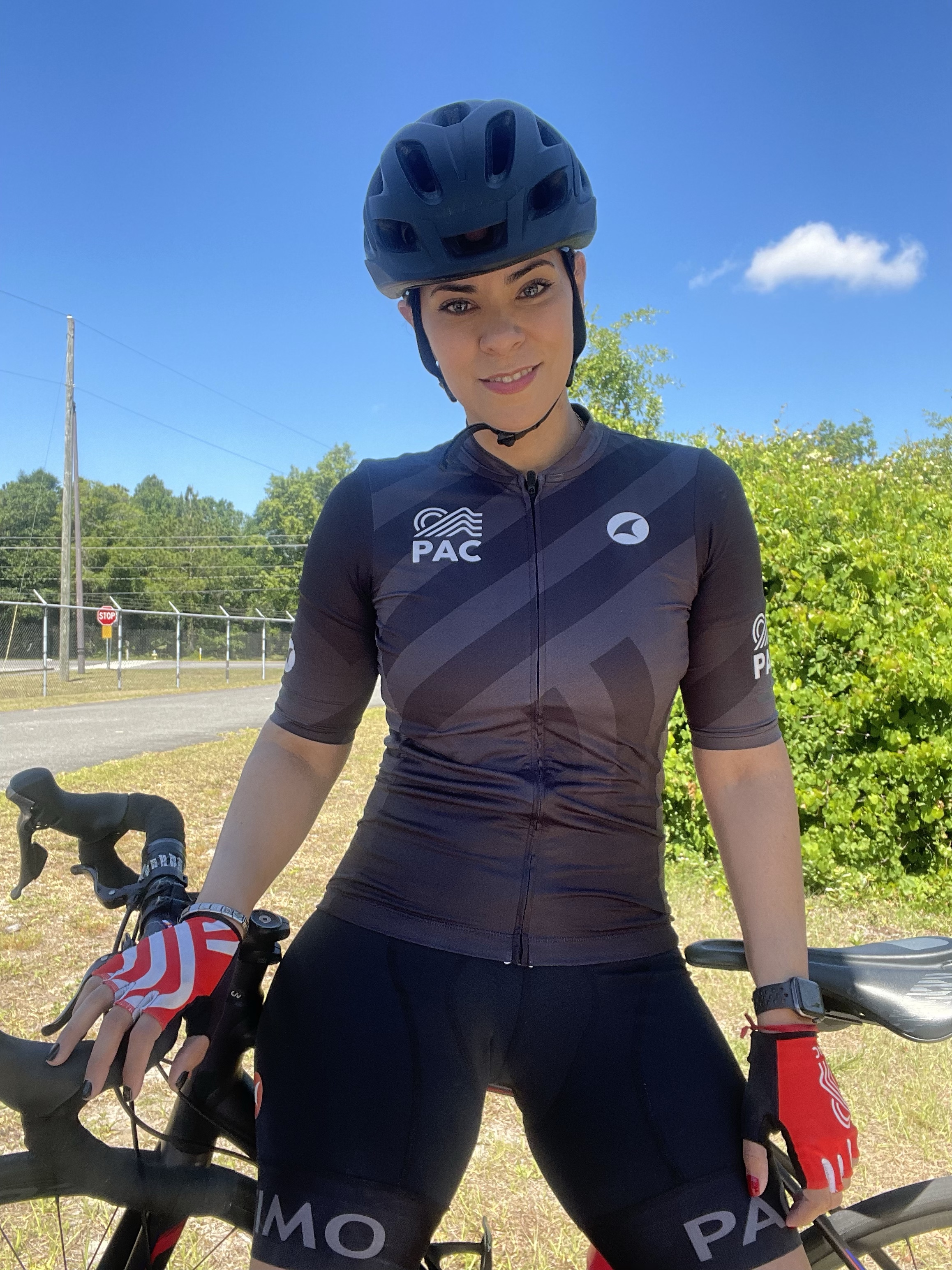
7. Use proper clothing and a helmet: Before riding your bike, don’t fail to look at the weather. Check for wind, fog, rain, snow, etc. Consider using bright colors; this will help drivers see you from a distance. Consider using a seat cushion or cycling-appropriate pants for a more comfortable bike ride. If you’re new to cycling pants, learn how to use them and about their chamois, chamois cream, chafing, and how to keep them clean. When it comes to your feet, use closed shoes and secure your laces to prevent injuries and accidents. And, no matter how silly you may think it looks, consider that helmets exist to protect your eyes, face, and head from injuries if an accident occurs so, use one. Gloves help for sweaty hands. Wind jackets, arm and leg warmers, and base layers assist with wind and cold temperatures.
Bottom line, always be ready for your next bike ride!
 ssweetcycling.sport.blog
You must be logged in to post a comment.